Reality Streetwear Graphic Design: The Bold Vector Toolkit
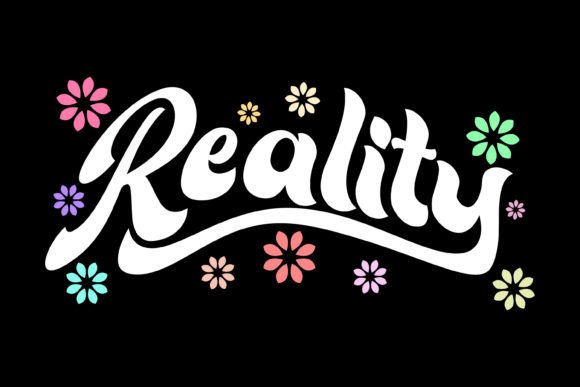
In the crowded world of apparel and merchandise, generic designs just don't cut it anymore. Whether you are launching a new clothing line, designing merchandise for a content creator, or creating high-impact posters, your graphics need to carry weight. This is where Reality Streetwear Graphic Design steps in. It isn't just a collection of images; it is a comprehensive suite of assets built specifically for the demands of modern street culture and commercial printing. If you are tired of pixelated edges and designs that fall apart on fabric, understanding the technical power of this vector toolkit is your first step toward professional-grade output.
The Technical Edge: Why Vectors Dominate Streetwear
The core of Reality Streetwear Graphic Design lies in its format. You receive files in EPS 10 and AI formats, constructed entirely with 100% vector shapes. For the uninitiated, vector graphics are mathematical equations rather than pixels. This means you can scale a design from the size of a business card to a massive billboard without losing a single ounce of quality. In the context of streetwear graphic design, this is non-negotiable. Street fashion often relies on oversized prints, chest-to-chest graphics, and back prints that cover the entire panel of a hoodie. A rasterized image would look jagged and amateurish at that scale, but a vector remains razor-sharp.
Furthermore, the inclusion of high-resolution JPG and PNG files with transparent backgrounds offers immediate versatility. While the vector files are essential for large-format printing and professional editing, the PNGs are perfect for digital mockups, social media posts, or quick web integration. You aren't forced to open complex software just to show a client a preview; you have ready-to-use assets for every stage of your workflow. This dual-format approach ensures that Reality Streetwear Graphic Design functions as a true design asset, bridging the gap between digital presentation and physical production.
Color Control and Customization
One of the most practical features of this collection is the ease of color modification. Streetwear is defined by seasonal palettes and limited-edition drops. A design that works in black and white for a winter collection might need to shift to neon pastels for a summer release. Because these are fully editable vectors, changing colors is as simple as selecting a shape and applying a new fill. This flexibility allows you to maintain a consistent brand identity across different product lines while keeping the core visual language fresh. You aren't locked into a specific color scheme; you have the freedom to adapt to current trends instantly.
Practical Applications: From Screen to Print
The utility of Reality Streetwear Graphic Design extends far beyond just t-shirts, although t-shirt graphic design remains a primary use case. The files are optimized for sublimation, a printing process that requires high-detail, seamless graphics to bond ink with fabric fibers. However, the applications are vast:
- Apparel & Merchandise: Hoodies, joggers, caps, and tote bags. The high 300 DPI resolution ensures that screen printing and direct-to-garment (DTG) processes reproduce the artwork accurately.
- Stickers & Decals: The transparent PNGs are ready for die-cut sticker production, perfect for packaging inserts or standalone merchandise.
- Posters & Flyers: For event promoters or bands, the vector scalability ensures your promotional materials look crisp and aggressive.
- Digital Branding: Use elements from the set to create unique social media graphics, YouTube thumbnails, or website headers that stand out against the clean, minimal trends of modern web design.
For entrepreneurs and small business owners, the value is in the "ready to print" nature of the files. You don't need to spend hours cleaning up paths or converting color modes. The heavy lifting has been done, allowing you to focus on placement and product photography.
Design Psychology and Brand Perception
Graphics do more than decorate; they communicate. The visual language of Reality Streetwear Graphic Design speaks to a specific audience. It conveys grit, authenticity, and a connection to urban culture. When you incorporate these elements into your branding, you are signaling to your audience that your brand understands the aesthetic. This is crucial for visual hierarchy. A bold, street-style graphic acts as an anchor for your layout, drawing the eye immediately and establishing the mood before the viewer reads a single word of text.
However, readability remains a key consideration. While these graphics are bold, they are often complex. In logo design or editorial design, it is vital to ensure that these graphics do not compete with essential information. Using a Reality Streetwear Graphic Design element as a background texture or a secondary focal point often works better than using it as a vessel for body copy. The goal is to create a professional appearance that respects the viewer's time—engaging them visually without overwhelming them.
Strategic Integration for Professionals
For marketers and content creators, consistency is key. Using a cohesive set of graphics helps build recognition. When your merchandise matches your digital ads and your packaging, you build a stronger brand identity. Reality Streetwear Graphic Design provides that cohesion. Instead of sourcing random images from the internet that may have clashing styles or licensing issues, using a unified set ensures that every touchpoint feels intentional.
When evaluating fit for a project, consider the "voice" of the design. Does it match the typography you plan to use? Streetwear graphics pair well with bold sans-serif fonts or gritty script fonts. If your brand voice is elegant and traditional, these specific graphics might require significant modification to fit. But for brands targeting the 18–35 demographic, or those in the music, skate, and urban fashion niches, the fit is natural.
Final Thoughts on Usability
Ultimately, Reality Streetwear Graphic Design is about removing barriers to production. The files are fully editable, high quality, and formatted for industry-standard software. Whether you are a hobbyist making shirts for a local event or a professional designer working on a commercial campaign, having access to 300 DPI, editable vector assets streamlines the creative process. It allows you to move from concept to physical product faster, with a higher degree of confidence in the final result.